the 7 Most Endangered Initiative
Cultural Heritage is always under threat from neglect, destruction, ignorance & wars – but with the added threats of the climate crisis and purposeful targeting of culture during current wars, the sites need our support.
One exemplary initiative is the “7 Most Endangered Program”, which since 2013 has funneled support money to already over 80+ places in Europe. This includes also various fundings for the support of Ukraine after a special declaration in 2022:
“…the rich and diverse heritage in Ukraine is THE most endangered heritage in the whole of Europe. We therefore need to provide support to our heritage colleagues in Ukraine...”
So, what is the program about ?
“…The 7 Most Endangered Programme is run by Europa Nostra – the leading European heritage civil society network – with the support of the European Investment Bank Institute. It is supported by the Creative Europe programme of the European Union, through the network project Europa Nostra Heritage Agora.
Since its launch in 2013, the programme has become a key civil society initiative dedicated to saving Europe’s heritage at risk. It has brought visibility, support and urgent action to 70 monuments and heritage sites in 33 countries; and many of them have since been safeguarded for both present and future generations.
The 7 Most Endangered Programme acts as a catalyst for mobilising expertise, halting unsuitable or unsustainable development, and/or ensuring necessary public and private support, including funding. Each site on the final list is eligible to receive an EIB Heritage Grant of €10,000 to support the first steps towards saving the site. …”
photos / examples:
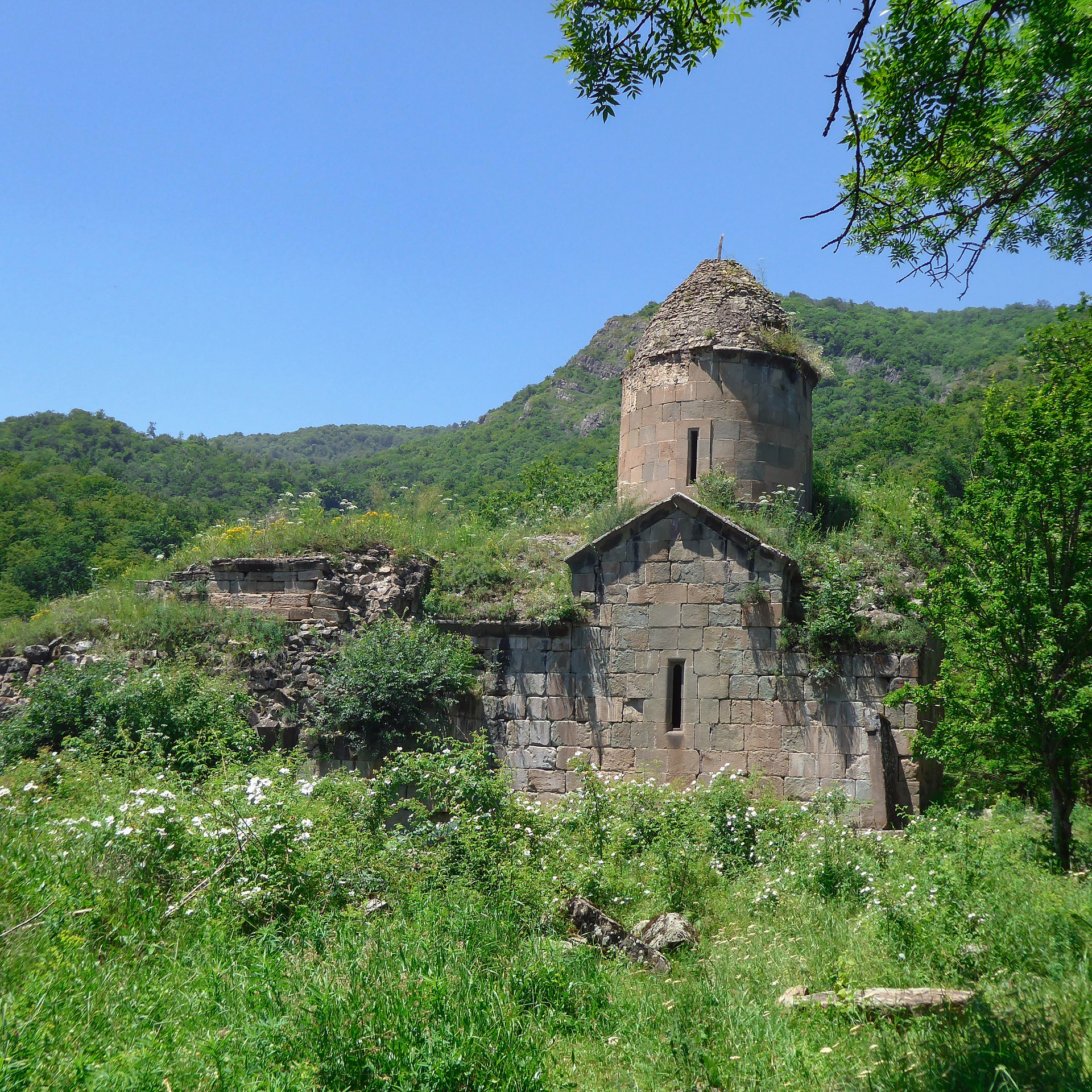
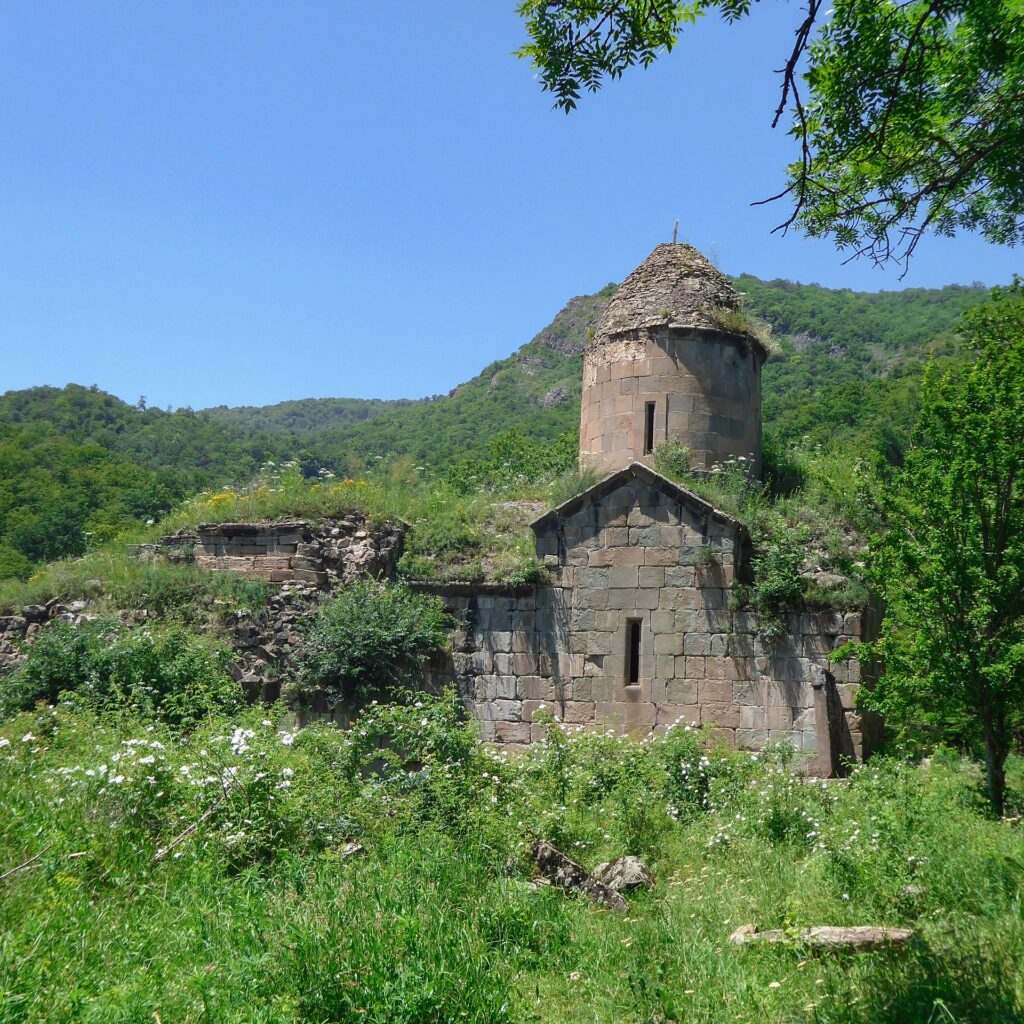
Arakelots Monastery and Settlement, ARMENIA (2025)
“Arakelots is an outstanding medieval ensemble that reflects the cultural hybridity and peaceful coexistence of its era. Its precarious state due to geopolitical tensions and environmental challenges calls for immediate action. The restoration and promotion of the Arakelots Monastery and Settlement can act as a catalyst for reconciliation, regional stability, and sustainable development, offering a pathway for transforming heritage into a resource for peace and progress.”
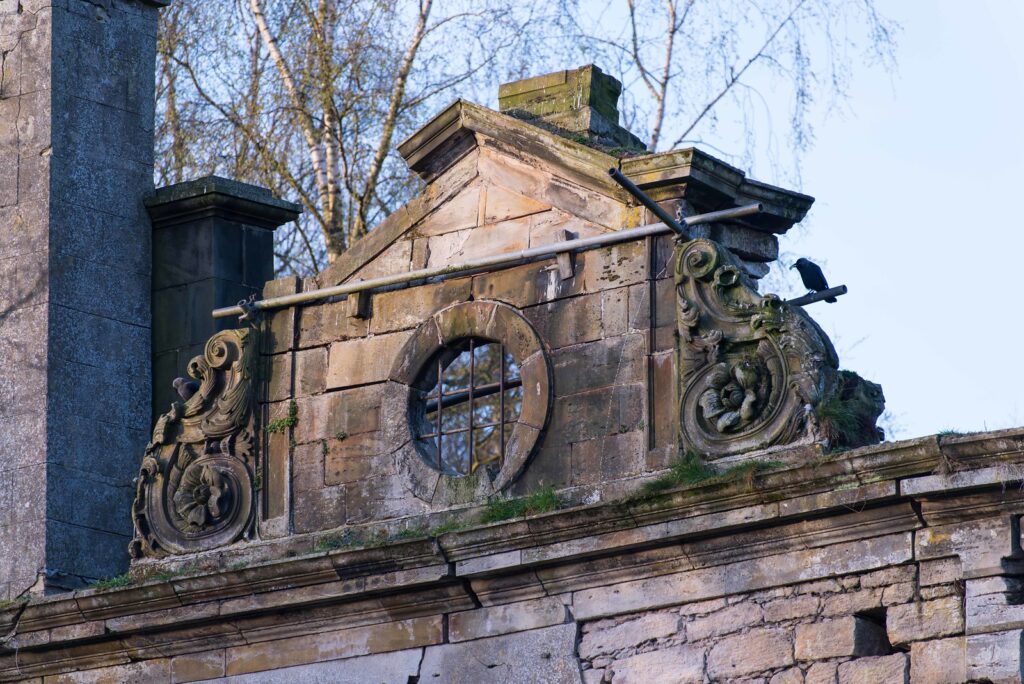
Mavisbank House, near Edinburgh, Scotland, UK, 2016
“Designed by the Scottish architect William Adam and Sir John Clerk of Penicuik, owner of the house, Mavisbank (1726) is one of the most significant works of architecture of early 18th century Scotland. It is essentially a Palladian villa adapted to northern European conditions, with a centre block and two pavilions creating an extraordinarily picturesque composition. Despite its historical and architectural significance, the house is in an advanced state of disrepair and at risk of a substantial collapse…”
disclaimer:
the text is partly taken directly from the website of EuropaNostra
the photos and descriptions are also © EuropaNostra
§§§